About Battery energy storage system container, BESS container / enclosure
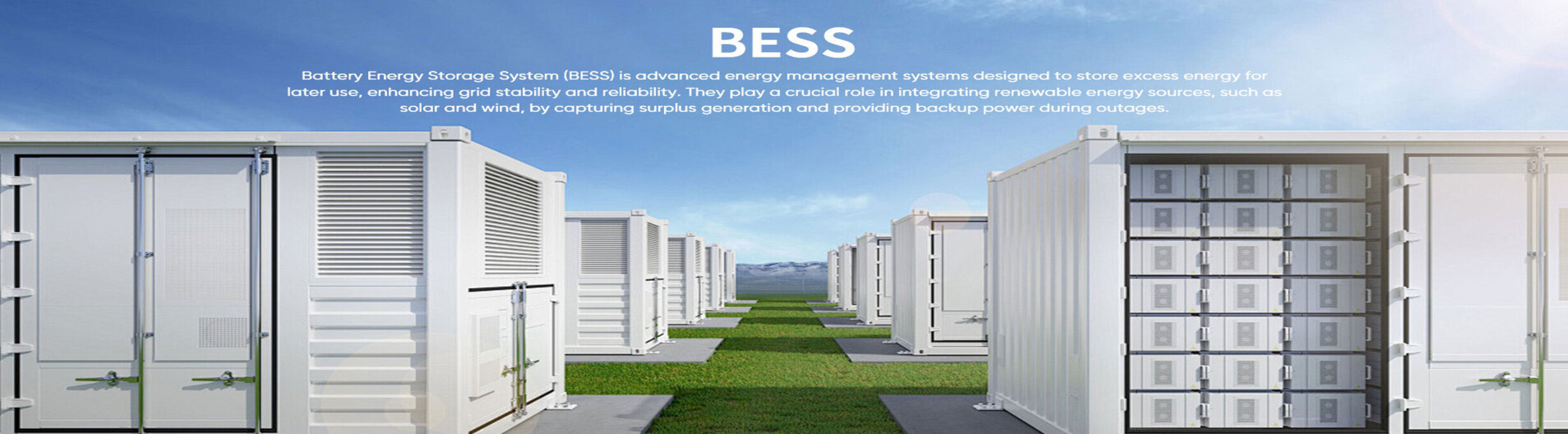
BESS (Battery Energy Storage System) is an advanced energy storage solution that utilizes rechargeable batteries to store and release electricity as needed. It plays a crucial role in stabilizing power grids, supporting renewable energy sources like solar and wind, and providing backup power during outages. BESS helps balance energy supply and demand, improving efficiency and reducing reliance on fossil fuels. It enhances grid reliability, enables peak shaving, and lowers electricity costs by storing excess energy for later use. With advancements in lithium-ion and LFP battery technologies, BESS is becoming an essential component of modern energy infrastructure and sustainability efforts Advanced Functionalities of TLS Energy’s Battery Energy Storage System (BESS) Containers 1. Ramp Rate Control / Power Smoothing: BESS effectively manages the rate of power output changes, ensuring a smooth transition and reducing the impact on the grid. 2. Energy Shifting: It allows for storing energy during low-demand periods and using it during high-demand times, optimizing energy usage. 3. Customizable Power Profiles / Schedules: Users can set specific power output schedules to meet varying energy demands efficiently. 4. Grid Voltage Control: BESS plays a crucial role in maintaining stable grid voltage levels, essential for grid reliability. 5. Power Frequency Response (PFR) / P(f): This feature aids in maintaining a consistent power frequency, crucial for grid stability. 6. Peak Load Shaving: BESS helps in reducing the load on the grid during peak times, enhancing overall efficiency. 7. Reverse Power Protection: It prevents the flow of power in the reverse direction, safeguarding the grid and equipment. 8. Active Power Reserve (APR): Provides backup power to support the grid in times of sudden demand spikes or supply shortfalls. 9. Enhanced Frequency Response (EFR) & Automatic Frequency Restoration Reserve (AFRR) / SRL: These features help in quick response to frequency changes, ensuring grid stability. 10. Frequency Containment Reserve / PRL: BESS aids in maintaining frequency within prescribed limits, crucial for grid integrity. 11. Plant Level Inertia: This function contributes to the overall inertia of the power system, enhancing grid resilience.
BESS container product
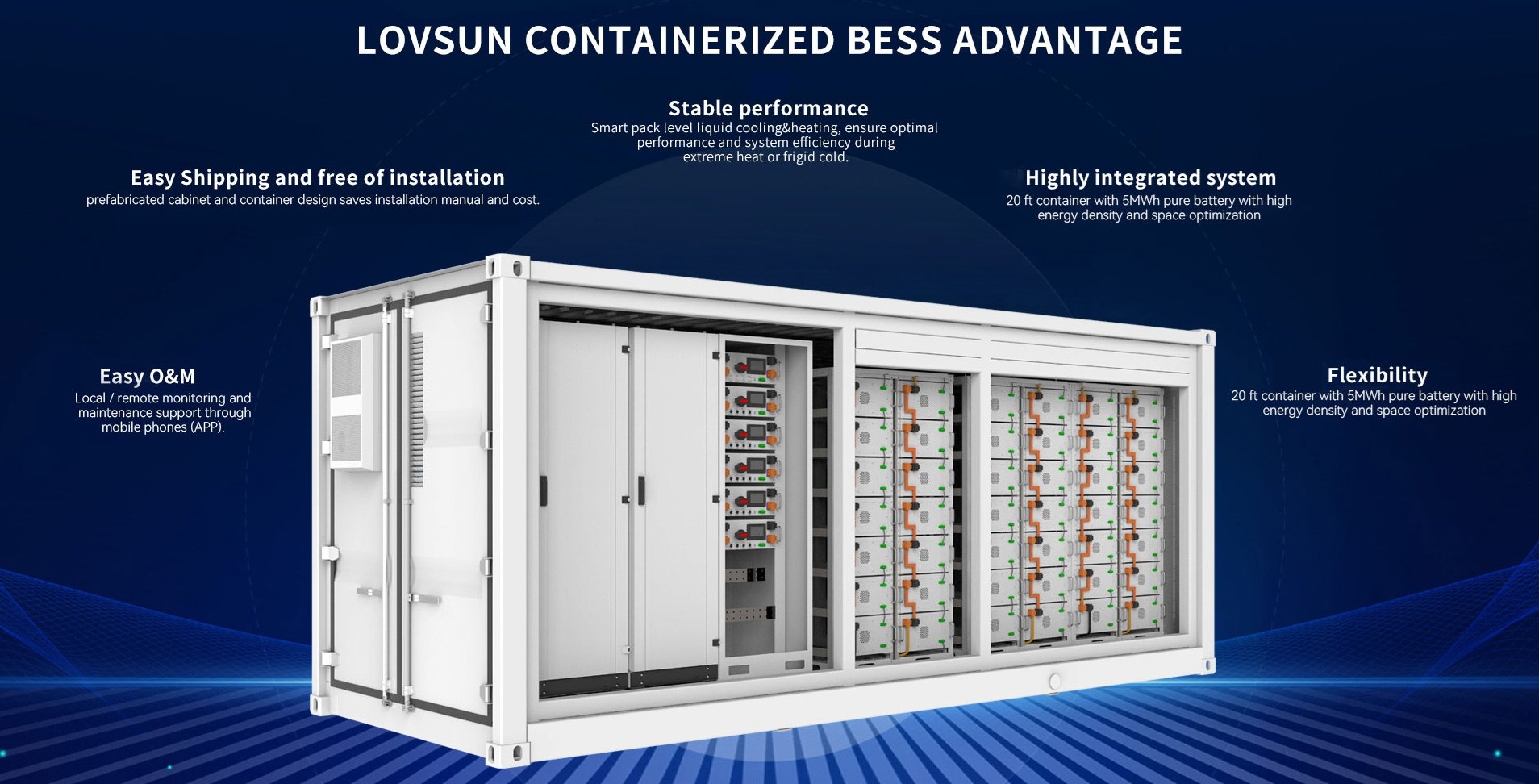
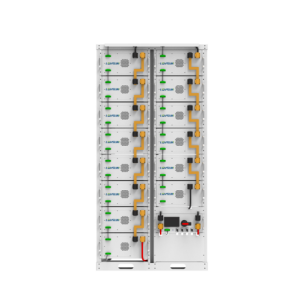
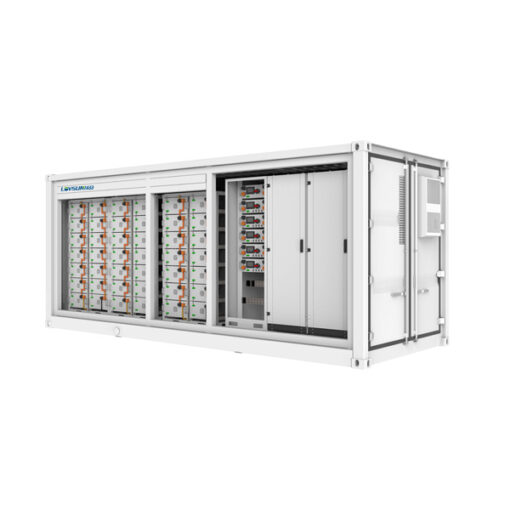
We are at the forefront of the global renewable energy storage industry, delivering customized Battery Energy Storage System (BESS) containers / enclosures to meet the growing demand for clean and efficient power solutions. Our versatile product portfolio includes three distinct types of BESS container solutions, each engineered to suit the diverse requirements of our international clients. In addition, we offer complete EPC services for BESS projects, ensuring seamless integration from concept to commissioning. 1. Container Enclosure Body with Battery Rack This is our foundation-level BESS solution, designed with flexibility in mind. It features a high-quality container enclosure pre-installed with a battery rack, allowing clients to integrate their own battery packs, cooling systems, fire suppression systems, and other components. This customizable platform is ideal for developers or EPC contractors looking for a cost-effective starting point for a tailored energy storage setup. 2. Semi-Integrated BESS Container Solution Our semi-integrated solution includes a battery rack along with key auxiliary systems, such as: • Battery cooling system • Fire fighting system • Internal lighting • Earthing system This configuration provides a ready-to-use base while still allowing flexibility for clients to integrate their preferred brands or technologies for PCS, EMS, or other components. It’s the perfect balance between off-the-shelf convenience and personalized control. 3. Fully Integrated BESS Container Solution Our fully integrated BESS container is a complete, plug-and-play solution. It comes pre-equipped with all essential and advanced systems, including: • High-performance battery packs • Advanced Battery Management System (BMS) • Integrated DC combiners • Precision cooling systems (HVAC or liquid cooling) • Intelligent fire detection and suppression systems • Interior lighting and auxiliary electrical systems This turnkey energy storage solution ensures seamless deployment, minimal on-site work, and optimal safety and efficiency for utility-scale or commercial & industrial (C&I) applications. 4. EPC Services for BESS Projects Beyond product supply, TLS Energy offers full Engineering, Procurement, and Construction (EPC) services for BESS projects. Our comprehensive support covers: • Containerized BESS system design and manufacturing • AC-side integration (PCS, transformers, switchgear) • On-site installation and commissioning • System testing, training, and after-sales service
BESS (Battery Energy Storage System) is an advanced energy storage solution that utilizes rechargeable batteries to store and release electricity as needed. It plays a crucial role in stabilizing power grids, supporting renewable energy sources like solar and wind, and providing backup power during outages. BESS helps balance energy supply and demand, improving efficiency and reducing reliance on fossil fuels. It enhances grid reliability, enables peak shaving, and lowers electricity costs by storing excess energy for later use. With advancements in lithium-ion and LFP battery technologies, BESS is becoming an essential component of modern energy infrastructure and sustainability efforts.
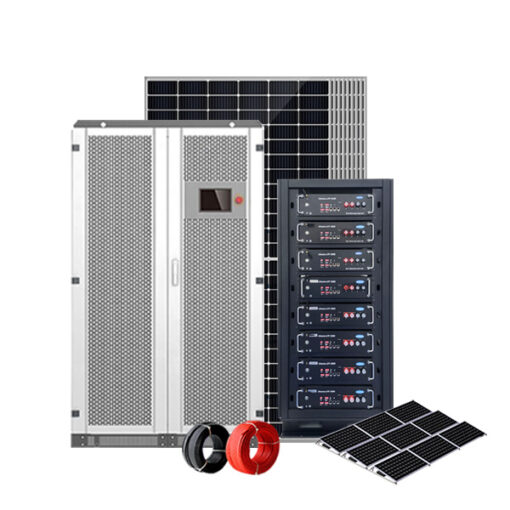
Solar energy is a rapidly growing form of energy, and the solar energy market has also made considerable progress in the past decade. Due to the political and economic instability in many oil and gas producing regions around the world, governments of many countries are taking active measures to reduce their dependence on foreign energy. Solar energy provides a very attractive power generation program and does not form a serious dependence on foreign energy. At present, the solar power generation system has formed an industrialized application. It has the characteristics of modularization of battery components, convenient installation and maintenance and flexible use. It is the most widely used technology for solar power generation. We are one-stop solution provider, please check our commercial solar power systems below to find the perfect match.
Solar home systems (SHS) are stand-alone photovoltaic systems that offer a cost-effective mode of supplying amenity power for lighting and appliances to remote off-grid households. In rural areas, that are not connected to the grid, SHS can be used to meet a household’s energy demand fulfilling basic electric needs. Globally SHS provide power to hundreds of thousands of households in remote locations where electrification by the grid is not feasible. SHS usually operate at a rated voltage of 12 V direct current (DC) and provide power for low power DC appliances such as lights, radios and small TVs for about three to five hours a day. Furthermore they use appliances such as cables, switches, mounts, and structural parts and power conditioners / inverters, which change 12/ 24 V power to 240VAC power for larger appliances. SHS are best used with efficient appliances so as to limit the size of the array.
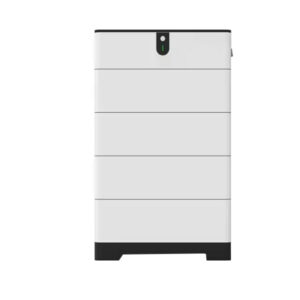
Lithium ion solar batteries are commonly used in various applications, including residential and commercial solar energy systems, off-grid setups. In residential solar systems, these batteries store excess energy generated during the day for use at night or during power outages.
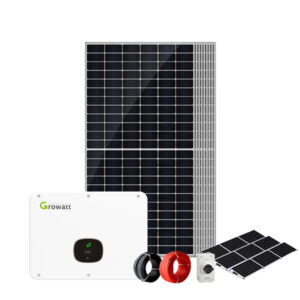
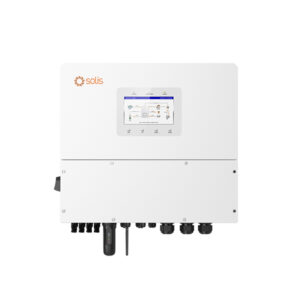
Inverters, also known as power converters, are essential components of photovoltaic installations, ensuring the system operates at its best. They provide high efficiency and reliability for solar power systems—properly selected power ratings and high conversion efficiency enhance the effectiveness of harnessing solar energy, ensuring maximum output under various weather conditions. Modern inverters offer advanced monitoring features for the photovoltaic system parameters, allowing for precise energy management and minimizing losses, ultimately boosting the overall efficiency of the installation. Additionally, they enable integration with mobile applications and remote monitoring, giving users complete control and convenience in managing their systems.